
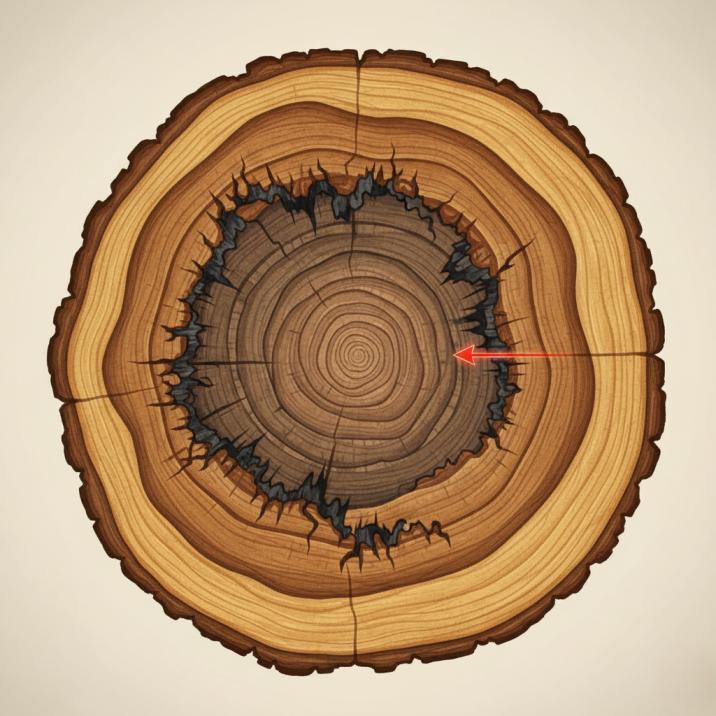
We often think of childhood as something we “leave behind.” We grow up, move out, and assume the past stays in the past.
But science tells a different story. Your childhood experiences—specifically the stressful ones—are written into your biology. They influence how your brain is wired, how your immune system fights disease, and even how long you might live.
This concept is captured in the ACE Score.
The Science: The Landmark CDC-Kaiser Study
In the late 1990s, the Centers for Disease Control and Prevention (CDC) and Kaiser Permanente conducted one of the largest investigations into childhood trauma ever.
They found a stunning connection: As an individual’s ACE score (the count of adverse experiences before age 18) went up, so did their risk for nearly every major health problem in adulthood—from heart disease and cancer to depression and addiction.
The study revealed that “toxic stress” in childhood can disrupt the development of the nervous system. However, knowing your score isn’t about assigning blame or predicting doom. It’s about understanding your risk profile so you can take proactive steps to heal.
The Tool: The ACE Questionnaire
The standard ACE test asks 10 questions about three types of adversity:
- Abuse (Physical, emotional, sexual)
- Neglect (Physical, emotional)
- Household Dysfunction (Divorce, mental illness, substance abuse, incarcerated relative, domestic violence)
👉 Take the Test: ACE / ACE-IQ Screening Test
What To Do With Your Score
- Score 0: You reported no adverse experiences in these categories.
- Score 1-3: You have some exposure to toxic stress. This is very common.
- Score 4+: This is the critical threshold. Research shows a strong correlation between a score of 4 or higher and adult health challenges.
- The “Resilience” Factor: Your ACE score is not your destiny. High ACE scores can be offset by “PCEs” (Positive Childhood Experiences) and adult resilience factors. A supportive mentor, a loving partner, or therapy can rewire the brain. You are not “damaged goods”; you are a survivor who may need to prioritize stress management more than others.
Safety & Disclaimer
This tool is for educational purposes only.
- Emotional Warning: This test asks explicit questions about abuse and family dysfunction. It can be difficult to revisit these memories.
- Support: If you find yourself overwhelmed by the past, please reach out to a trauma-informed therapist. Healing is possible at any age.
References
- Felitti, V. J., et al. (1998). Relationship of childhood abuse and household dysfunction to many of the leading causes of death in adults: The Adverse Childhood Experiences (ACE) Study. American Journal of Preventive Medicine.
- Centers for Disease Control and Prevention (CDC). (2019). Adverse Childhood Experiences (ACEs).
- World Health Organization (WHO). (2020). Adverse Childhood Experiences International Questionnaire (ACE-IQ).