PsychKit

Stop the Urge Exploring the Science of Impulse Control with Craving Crusher

Stop the Urge: Exploring the Science of Impulse Control with Craving Crusher

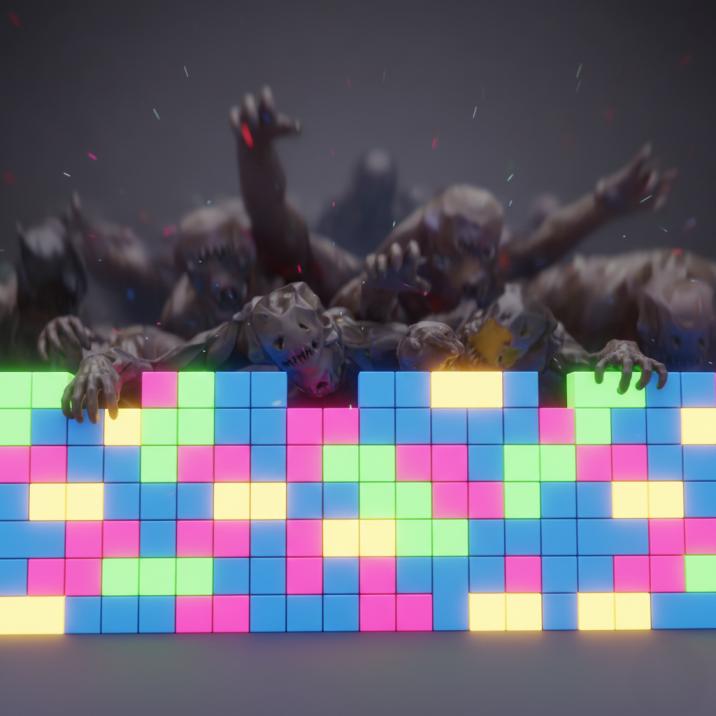
We all know the feeling. It starts as a whisper: “Just one cookie.” “Just one text to your ex.” “Just one scroll through TikTok.” Within seconds, the whisper becomes a scream. Your heart races. Your focus narrows. It feels like if you don’t give in right now, you will explode. This is the Craving Loop. […]

Stop the Urge: Exploring the Science of Impulse Control with Craving Crusher Read More »

Training Your Brain to Disengage from Threat

Ignoring the Negative: Training Your Brain to Disengage from Threat

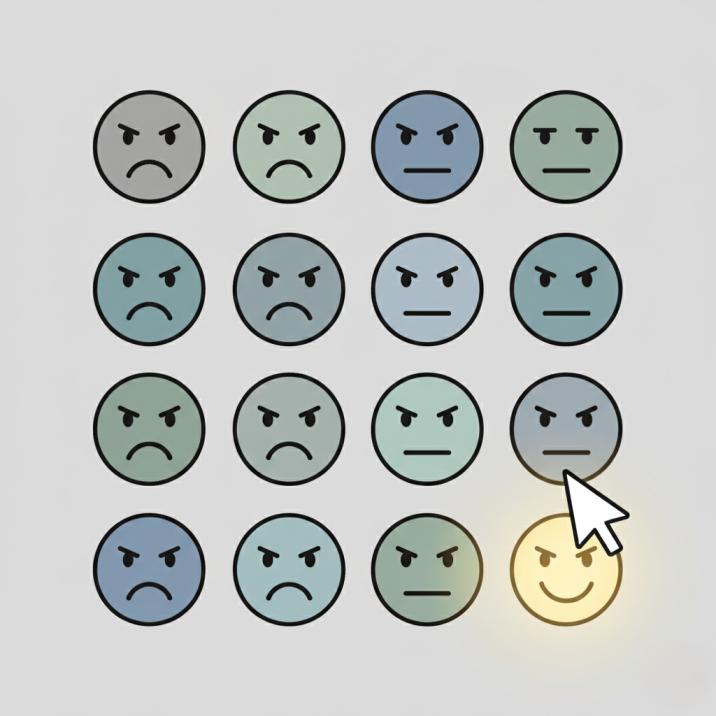
Have you ever received 10 compliments and 1 insult, but you could only think about the insult? This is the Sticky Attention problem. Negative information is “sticky.” Evolutionary speaking, a tiger in the bushes is more important than a berry on the tree. So, our brains are hardwired to latch onto threats and hold on

Ignoring the Negative: Training Your Brain to Disengage from Threat Read More »

Disrupting Traumatic Memories

Disrupting Traumatic Memories: How Visual Tasks Can Reduce Flashbacks

PTSD isn’t just about remembering a bad event. It is about reliving it. A car backfires, and suddenly you aren’t on the street anymore; you are back in the war zone. A specific smell hits you, and you are back in that room. These are intrusive memories or flashbacks. They happen because the memory of

Disrupting Traumatic Memories: How Visual Tasks Can Reduce Flashbacks Read More »

Exposure Game for Panic Symptoms

Facing the Fear: A Gentle Exposure Game for Panic Symptoms

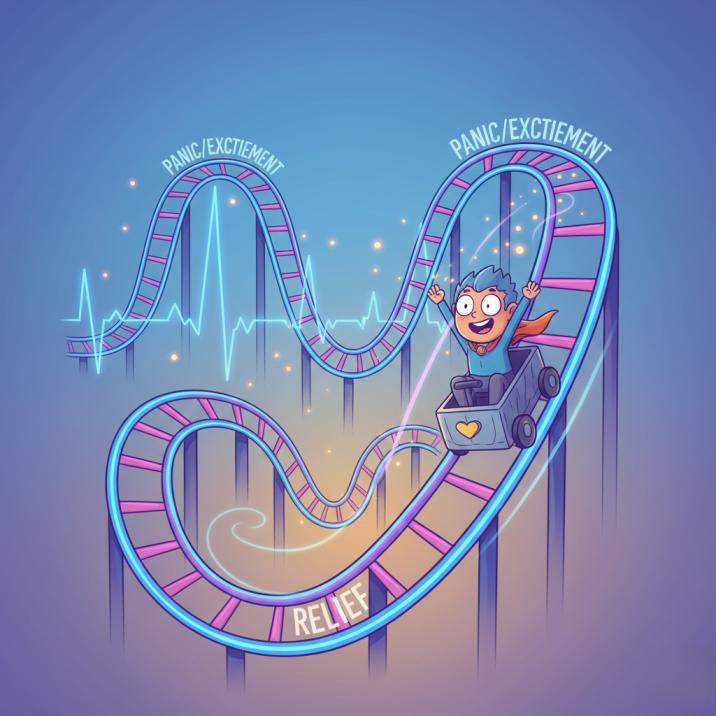
For someone with Panic Disorder, the body is a terrifying place. A slight jump in heart rate isn’t just exercise; it’s a heart attack. A moment of dizziness isn’t just hunger; it’s a stroke. A shortness of breath isn’t just humidity; it’s suffocation. This is called Catastrophic Misinterpretation. You aren’t afraid of the grocery store

Facing the Fear: A Gentle Exposure Game for Panic Symptoms Read More »

Improve Your Cognitive Flexibility

Multitasking Master: Improve Your Cognitive Flexibility with Task-Switching

We wear our ability to “multitask” like a badge of honor. We answer emails while on Zoom calls. We cook dinner while listening to podcasts and texting our friends. We think we are being incredibly productive, juggling five balls at once. But neuroscience tells us a different, harsher truth: Human beings cannot multitask. What we

Multitasking Master: Improve Your Cognitive Flexibility with Task-Switching Read More »

For most people, eye contact is natural. But for someone with Social Anxiety or Autism, it can feel like staring into the sun. It feels burning, invasive, and overwhelming. You might look at the floor, or over the person's shoulder, just to relieve the pressure. But avoiding eye contact sends the wrong signal—it makes you look dishonest or uninterested, even when you aren't. The problem is, the real world is a terrible place to practice. If you stare too long, it's awkward. If you look away, it's rude. Gaze Trainer gives you a safe simulation to practice without the social stakes. The Science: Desensitization Anxiety grows when we avoid things. The more you look at the floor, the scarier faces become. This is the cycle of Avoidance Learning. To break it, you need Exposure Therapy. You need to expose yourself to the thing you fear (eye contact) in small, manageable doses until your brain realizes, "Hey, I'm safe. Nothing bad is happening." Research suggests that using virtual avatars can help bridge the gap. It triggers the same social brain networks as a real face, but without the fear of judgment. The Game: Gaze Trainer The game displays a series of human faces. Level 1: The faces are static and smiling. Level 2: The faces are neutral (which often feels more intimidating). Level 3: The eyes move and blink. Your task is to hold your gaze on the eyes (or the "Triangle of Gaze"—eyes and nose) for a set duration. The webcam tracks your eyes (optional) or you simply self-monitor. 👉 Play the Game: Gaze Trainer Actionable Advice The "Third Eye" Trick: If looking directly into the pupils is too much, aim for the spot right between the eyebrows. The other person can't tell the difference, but it feels much less intense for you. Progressive Loading: Start with 3 seconds. Once that feels boring, move to 5. Do not rush to 10 seconds immediately. The goal is comfort, not endurance. Safety & Disclaimer This game is for educational and wellness purposes. Neurodiversity Note: For autistic individuals, eye contact can be physically uncomfortable due to sensory processing. The goal isn't to force "neurotypical" behavior, but to give you a choice. If eye contact hurts, you don't have to do it. This tool is only if you want to practice.

Eye Contact Anxiety? Practice Comfortably with Gaze Trainer

For most people, eye contact is natural. But for someone with Social Anxiety or Autism, it can feel like staring into the sun. It feels burning, invasive, and overwhelming. You might look at the floor, or over the person’s shoulder, just to relieve the pressure. But avoiding eye contact sends the wrong signal—it makes you

Eye Contact Anxiety? Practice Comfortably with Gaze Trainer Read More »

Train Your Brain to Focus

Train Your Brain to Focus: A Simple Game to Enter the “Flow State”

We live in the age of the “Notification.” Ping. Buzz. Ding. Every few minutes, something pulls your attention away. Over time, your brain actually forgets how to sustain attention. You might sit down to work, but your mind feels like a browser with 50 tabs open—jumping from one thought to another, never truly landing. Psychologists

Train Your Brain to Focus: A Simple Game to Enter the “Flow State” Read More »

Screening Child Mental Health

The 5-Minute Check-Up: Screening Child Mental Health with the PSC-17

Primary care visits are short. By the time you measure height, check weight, and give vaccines, the appointment is often over. There is barely enough time to ask, “So, how are things at home?” That is why the PSC-17 exists. While the full 35-question checklist is thorough, busy clinics and overwhelmed parents needed something faster—something

The 5-Minute Check-Up: Screening Child Mental Health with the PSC-17 Read More »

Child Struggling ? Using the Pediatric Symptom Checklist

Is My Child Struggling? Using the Pediatric Symptom Checklist (PSC)

Parenting often feels like a guessing game. Is your 8-year-old quiet because they are tired, or because they are sad? Is your 10-year-old “acting out” because they are being difficult, or because they are anxious and don’t know how to say it? Children are masters at hiding their feelings. They don’t usually sit you down

Is My Child Struggling? Using the Pediatric Symptom Checklist (PSC) Read More »

New DEPwD Disability Assessment Guidelines

Getting Certified in 2026: The New DEPwD Disability Assessment Guidelines

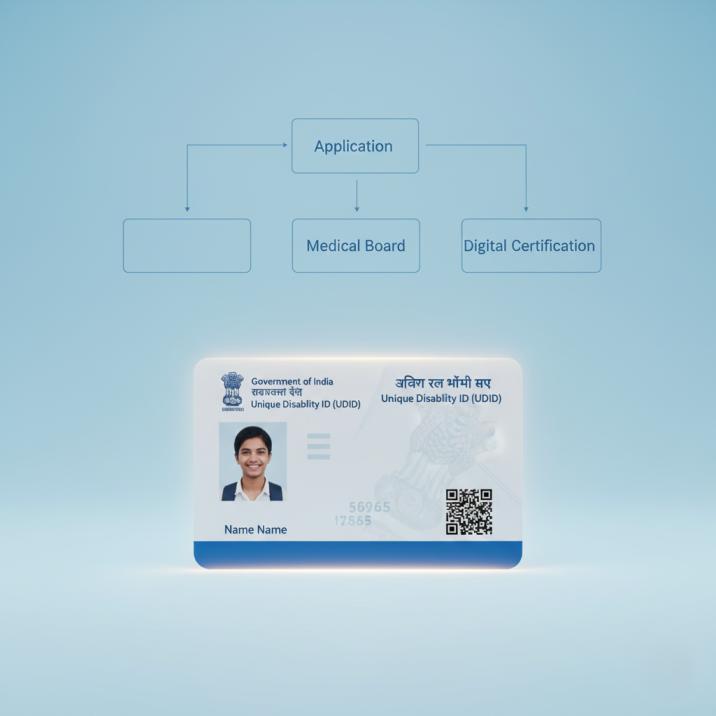
For millions of Indians with disabilities, the Disability Certificate is not just a piece of paper. It is a lifeline. It grants access to scholarships, railway concessions, government jobs, and specialized equipment. But for years, the process of getting one was a bureaucratic nightmare—paper forms, different rules in different states, and endless trips to the

Getting Certified in 2026: The New DEPwD Disability Assessment Guidelines Read More »

Student Screening Checklists for Teachers

The Delhi Model: Understanding Student Screening Checklists for Teachers

For decades, the metric of a “good school” in India was simple: Board Exam Results. If the marks were high, the school was succeeding. But in recent years, the Directorate of Education (DoE), Delhi, flipped the script. They asked a radical question: What is the point of a 98% score if the student is anxious,

The Delhi Model: Understanding Student Screening Checklists for Teachers Read More »

Intellectual Disability in Adults

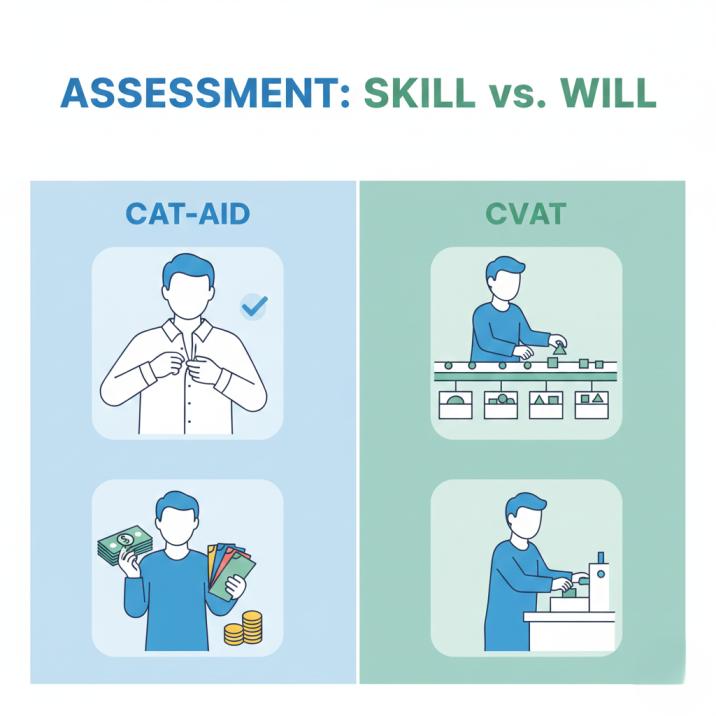
Assessing Intellectual Disability in Adults: The CAT-AID / CVAT Guide

When we talk about Intellectual Disability (ID), we often focus on children. We worry about schools, early intervention, and speech therapy. But children grow up. A standard IQ test (like the Binet or WISC) might tell you a 25-year-old has the “mental age” of an 8-year-old, but that number is useless for real life. It

Assessing Intellectual Disability in Adults: The CAT-AID / CVAT Guide Read More »