
For healthcare providers, the challenge isn’t just identifying drug use—it’s knowing what to do next.
If a patient admits to using opioids, does that mean they need rehab immediately? Or do they just need a brief counseling session? Making the wrong call can either overwhelm the healthcare system or leave a patient dangerously unsupported.
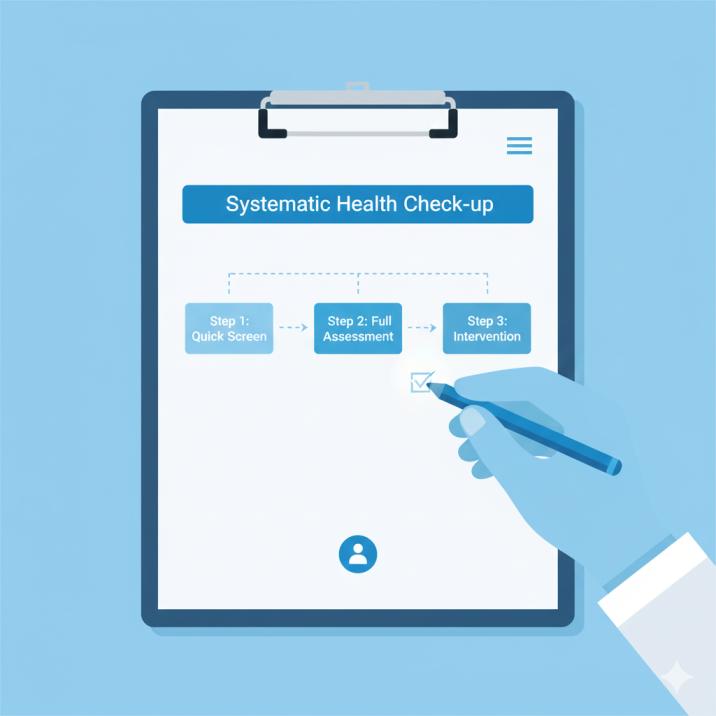
Clinicians need a structured roadmap. That is where the NM ASSIST shines.
The Science: Adapting the Gold Standard
The NIDA-Modified ASSIST (NM ASSIST) is the American adaptation of the World Health Organization’s original tool.
While the WHO ASSIST is perfect for global health, the National Institute on Drug Abuse (NIDA) tweaked it to fit better into the fast-paced workflow of Western medical clinics.
The key innovation is the Two-Tier System:
- The Quick Screen: A rapid “Yes/No” check for any substance use in the past year.
- The Deep Dive: If (and only if) the patient flags positive, the tool automatically expands into the full interview for that specific substance.
This “branching logic” saves massive amounts of time. It ensures that a patient who only drinks alcohol isn’t forced to answer 20 questions about heroin, keeping the conversation relevant and respectful.
The Tool: NM ASSIST
This resource is designed primarily for clinicians, social workers, and researchers, but it is valuable for anyone wanting to understand the professional standard of care.
👉 Access the Tool: NM ASSIST Clinician Guide
How to Interpret the Risk Levels
The NM ASSIST produces a “Substance Involvement Score” that dictates the clinical response:
- Low Risk (0-3): No Intervention. The clinician simply reinforces healthy behavior.
- Moderate Risk (4-26): Brief Intervention. The clinician performs a 5-10 minute counseling session immediately to discuss risks and encourage cutting back.
- High Risk (27+): Referral to Treatment. The patient meets the criteria for probable substance use disorder. The clinician’s role shifts from “counselor” to “case manager,” connecting the patient with specialized addiction services.
Safety & Disclaimer
This content is for educational and professional reference.
- For Clinicians: Always use your clinical judgment. A low score does not guarantee safety if there are other risk factors (e.g., pregnancy, liver disease).
- Emergency: If a patient presents with signs of acute intoxication or withdrawal, immediate medical stabilization takes precedence over screening.
References
- National Institute on Drug Abuse. (2012). NIDA-Modified ASSIST V2.0.
- Tai, B., et al. (2012). NIDA Clinical Trials Network Common Data Elements: Screening for Substance Use. Journal of Substance Abuse Treatment.
- McNeely, J., et al. (2016). Performance of the NIDA Quick Screen for substance use in primary care patients. Journal of General Internal Medicine.