
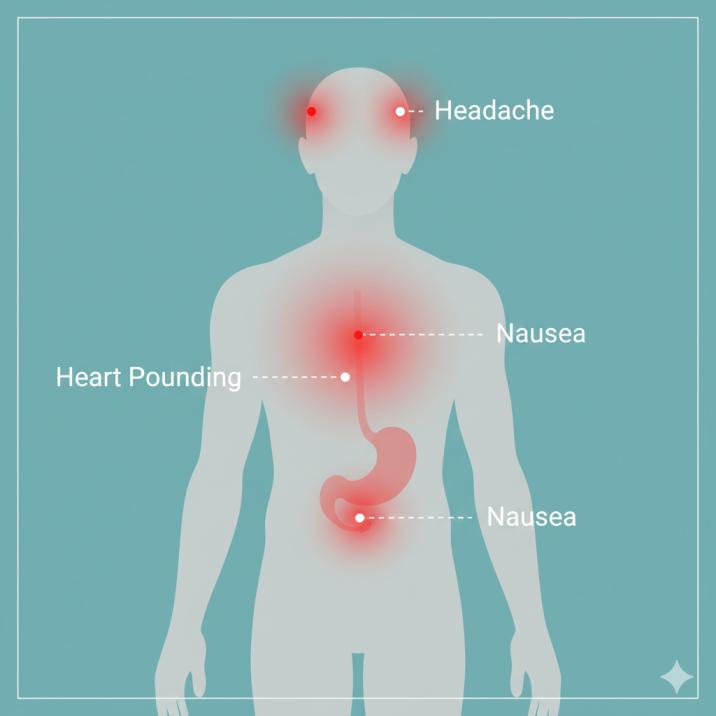
We often think of mental health as something that happens strictly “above the neck.” We imagine that stress is just a racing mind, or that depression is just a sad mood.
But the body keeps the score.
Have you ever gone to the doctor for chronic back pain, dizzy spells, or stomach issues, only to be told, “We can’t find anything physically wrong with you”? It is incredibly frustrating. You know the pain is real.
And you are right. The pain is real. But its source might not be an injury or a virus—it might be your nervous system.
The Science: What is Somatization?
Somatization is the fancy medical term for when psychological distress expresses itself as physical symptoms.
The PHQ-15 (Patient Health Questionnaire-15) is a tool designed to measure this specific burden. Research shows that a huge percentage of visits to primary care doctors are for symptoms that have no clear organic cause. The PHQ-15 helps bridge the gap between the doctor and the patient by quantifying these symptoms.
It tracks the most common physical manifestations of stress: headaches, stomach pain, dizziness, and fatigue. It validates that these aren’t “imagined”—they are measurable physiological responses to emotional load.
The Tool: PHQ-15
This questionnaire asks about 15 common physical complaints. You simply rate how much each one has bothered you in the last 4 weeks.
👉 Take the Test: PHQ-15 Somatic Symptoms Test
What To Do With Your Score
- Score 0-4 (Minimal): Your physical symptoms are likely manageable.
- Score 5-9 (Low): You have some mild physical distress.
- Score 10-14 (Medium): Somatic symptoms are impacting your life.
- Score 15+ (High): This indicates “Somatization Disorder” severity.
- Next Steps: If you score high, but your doctor has ruled out infection or injury, consider treating the stress directly. Techniques like Progressive Muscle Relaxation (PMR), CBT for pain, and yoga have been shown to reduce these “physical” symptoms significantly.
Safety & Disclaimer
This tool is for educational purposes only.
- Rule Out Physical Causes First: Always consult a doctor for physical pain first. Never assume chest pain or severe headaches are “just anxiety” until a medical professional has cleared you.
- Emergency: If you have sudden, severe chest pain or difficulty breathing, call emergency services immediately.
References
- Kroenke, K., Spitzer, R. L., & Williams, J. B. (2002). The PHQ-15: Validity of a new measure for evaluating the severity of somatic symptoms. Psychosomatic Medicine.
- Kocalevent, R. D., Hinz, A., & Brähler, E. (2013). Standardization of the somatic symptom scale (PHQ-15) in the general population. BMC Psychiatry.
- Zijlema, W. L., et al. (2013). (Un)explained physical symptoms in the general population: A cross-sectional study. BMC Public Health.